Smoke Smell in the Cockpit

One thing most pilots will tell you when it comes to an emergency situation nothing is worse than the smell of smoke in the cockpit.

There are two types of fires that I am concerned with in the Cessna 207 I am flying, engine fire and electrical fire. Both have significant implications if they occur and require a different approach to extinguish the fire. In the case of a engine fire, you want to remove the fuel from the engine and then pitch the nose down increasing airspeed to extinguish the flames. If it is an electrical fire you need to remove the current from the electrical system thus preventing further sparking or heat buildup in the wiring.

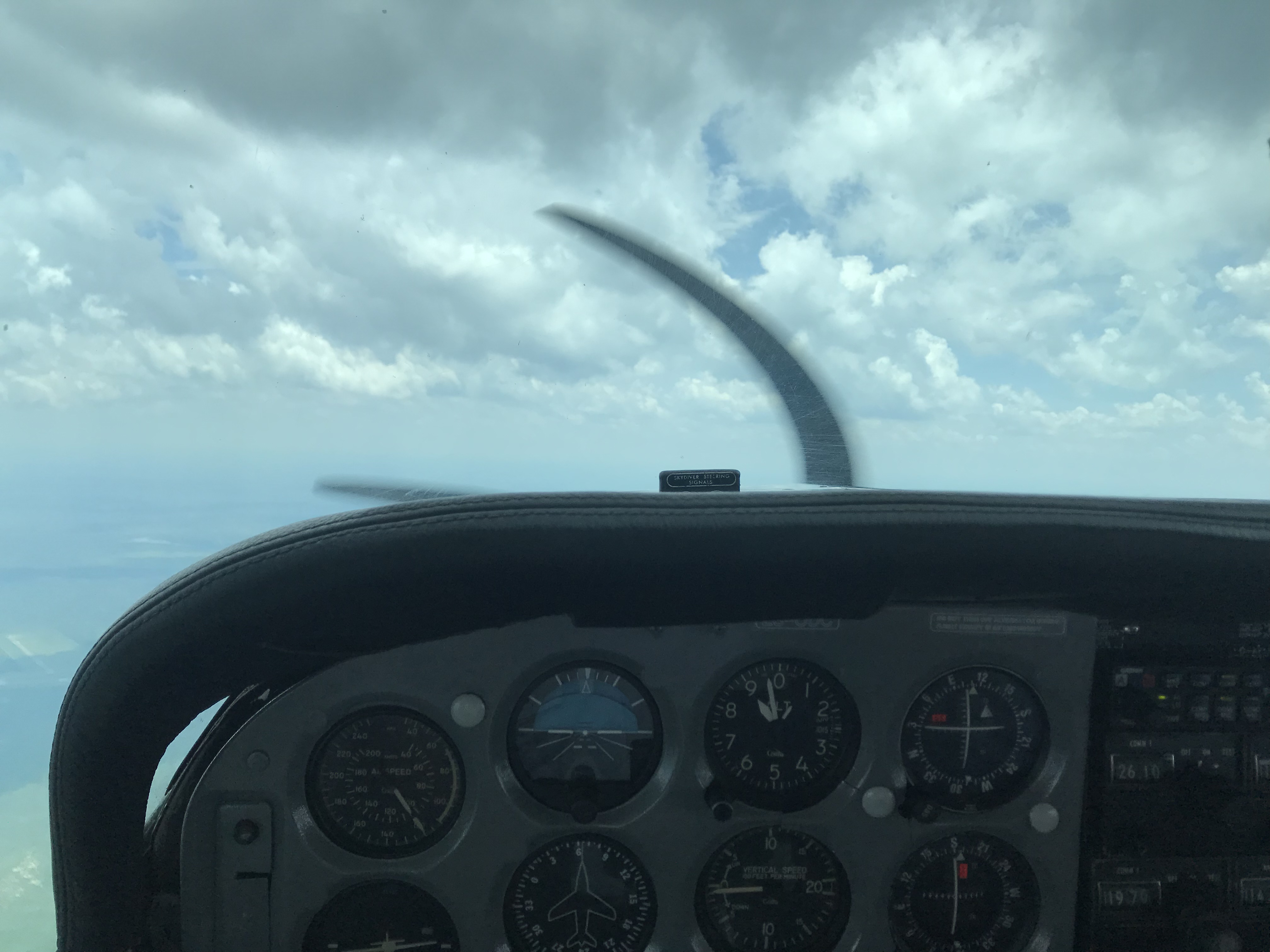
Why am I telling you this? Well on a recent flight to Ndola everything was going well, I was in the cruise, no clouds and smooth air with a ground speed of 130 knots when I suddenly got a distinct smell of plastic burning. I turned to my friend and asked if he smells the same, hoping it was in my imagination. Sadly he confirmed he also smelt it.

Right, so 1500ft above the ground we might have an electrical fire onboard. One thing I’ve learnt is not to rush into a hasty decision that can make things worse and try to stay calm. Since my GPS unit was plugged into the 12V lighter port that seemed like a logical place to start, I unplugged it, it was cool to the touch signaling the problem wasn’t there. Next I check all the circuit breakers on the panel in front of me, none have popped and I don’t feel any heat. I take my hand and slowl feel underneath the instrument panel, no heat. I lower my head to make sure I don’t see any smoke, nothing.

After not finding any signs that the fire is originating inside the 207, and all indicatione on the instrument panel are normal, we decide it must be smoke from outside that made its way in through the vent due to us maintinaing a relatively low altitude. For the next 5minutes I still monitor all the instruments closely until the smell eventually dissipates.

I am very relieved that it was not an actual fire in the aircraft, but it serves as a good reminder to be ready for anything while flying, and know your aircraft and systems Incase an emergency does arise.
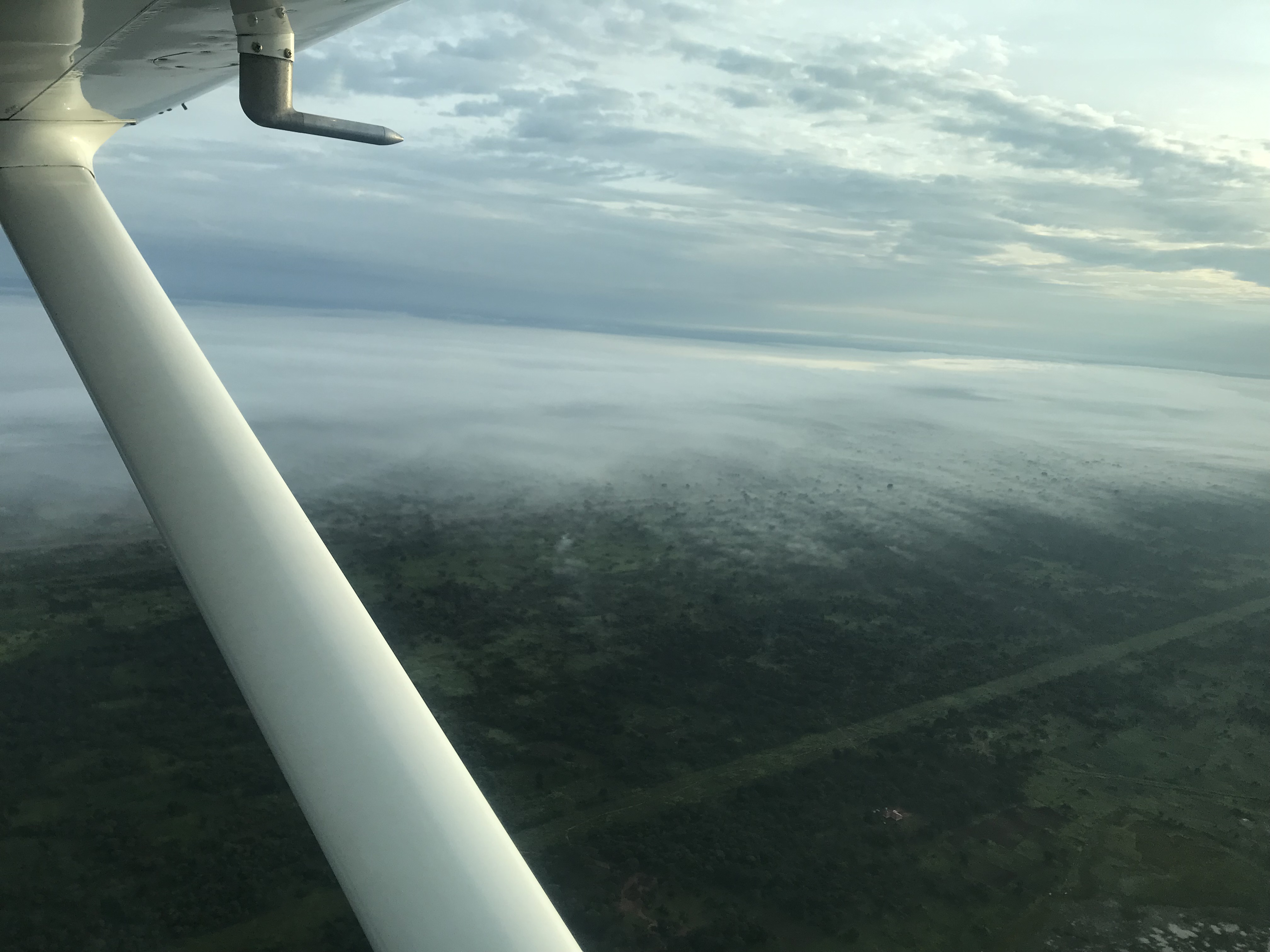
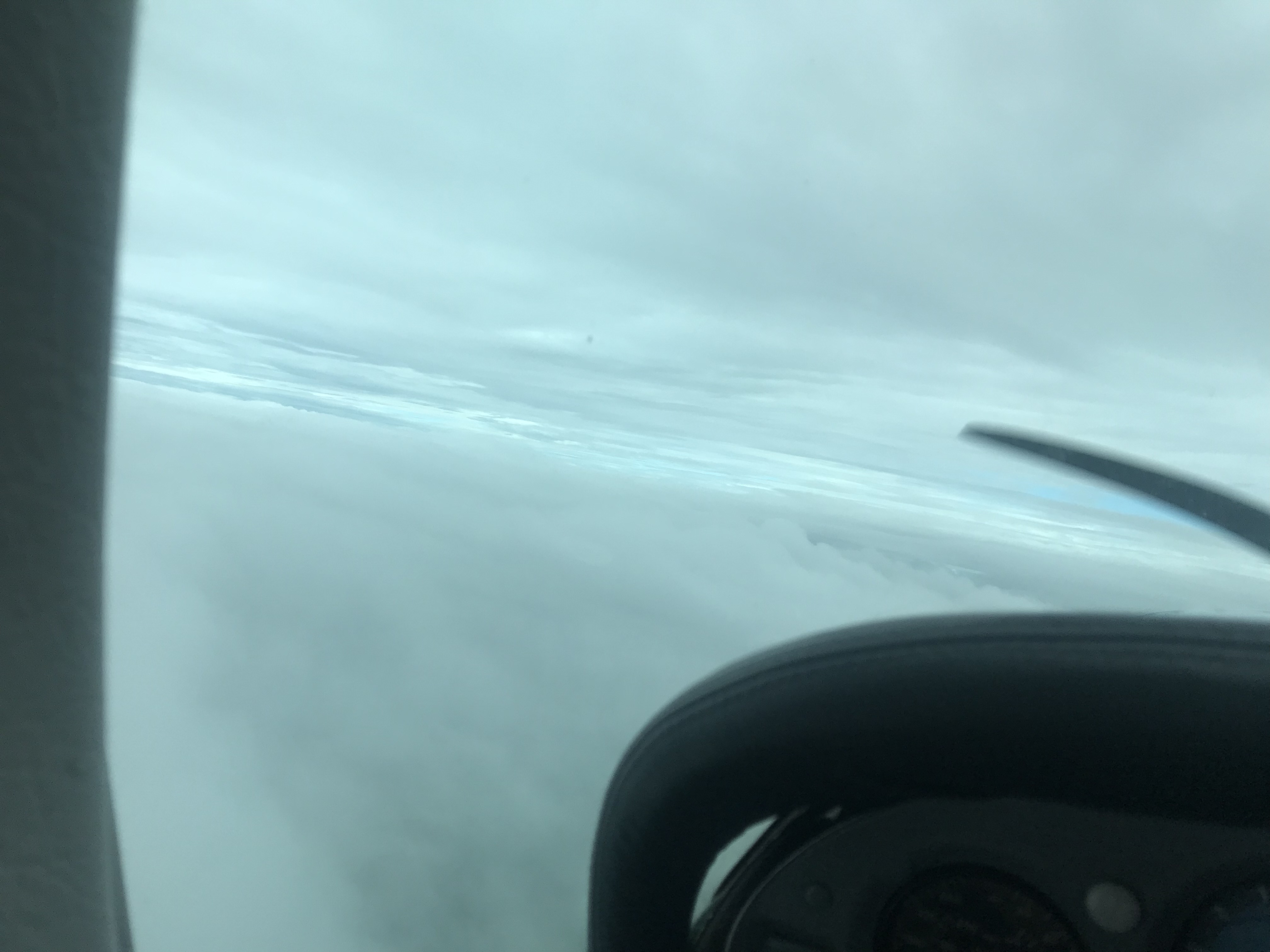
En route to Ndola, 5500ft with mist on the ground

Keep flying and stay safe. 🇿🇲

Flying to Zambia! 🇿🇲

Another early morning as my alarm rings at 0445, after a quick shower and breakfast the taxi arrives to take us to Charles Prince international airport where the Cessna 207 had some maintenance completed the day before.

We refuel the plane and after a pre-flight inspection and immigration clearance we are ready for departure. Harare is still covered in a solid layer of cloud, climbing through 7000ft we are in cloud and break through the tops at 9000 to find ourselves in between two layers. It was an amazing feeling as this would be my first flight above cloud.

In between cloud layers

Let me clarify a point quickly, during my commercial pilot training in South Africa all your instrument training is done on a simulator or in the plane under a “hood” which looks like sunglasses that prevent you from seeing outside.

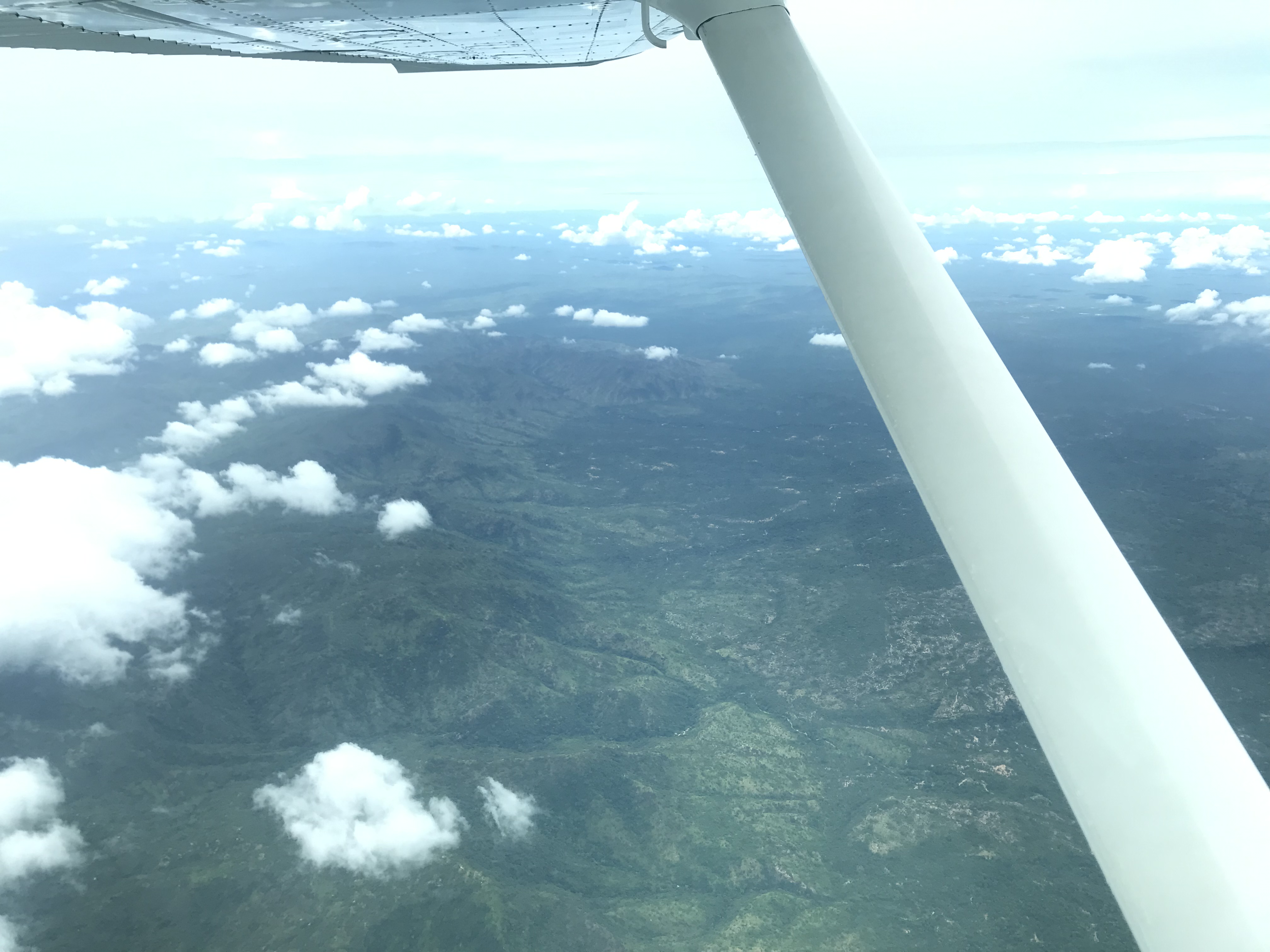
After an hour of instrument flying above the clouds the layer suddenly ends and I couldn’t help but be amazed as the landscape of Zambia greeted us.

At the start of the Zambezi National Park

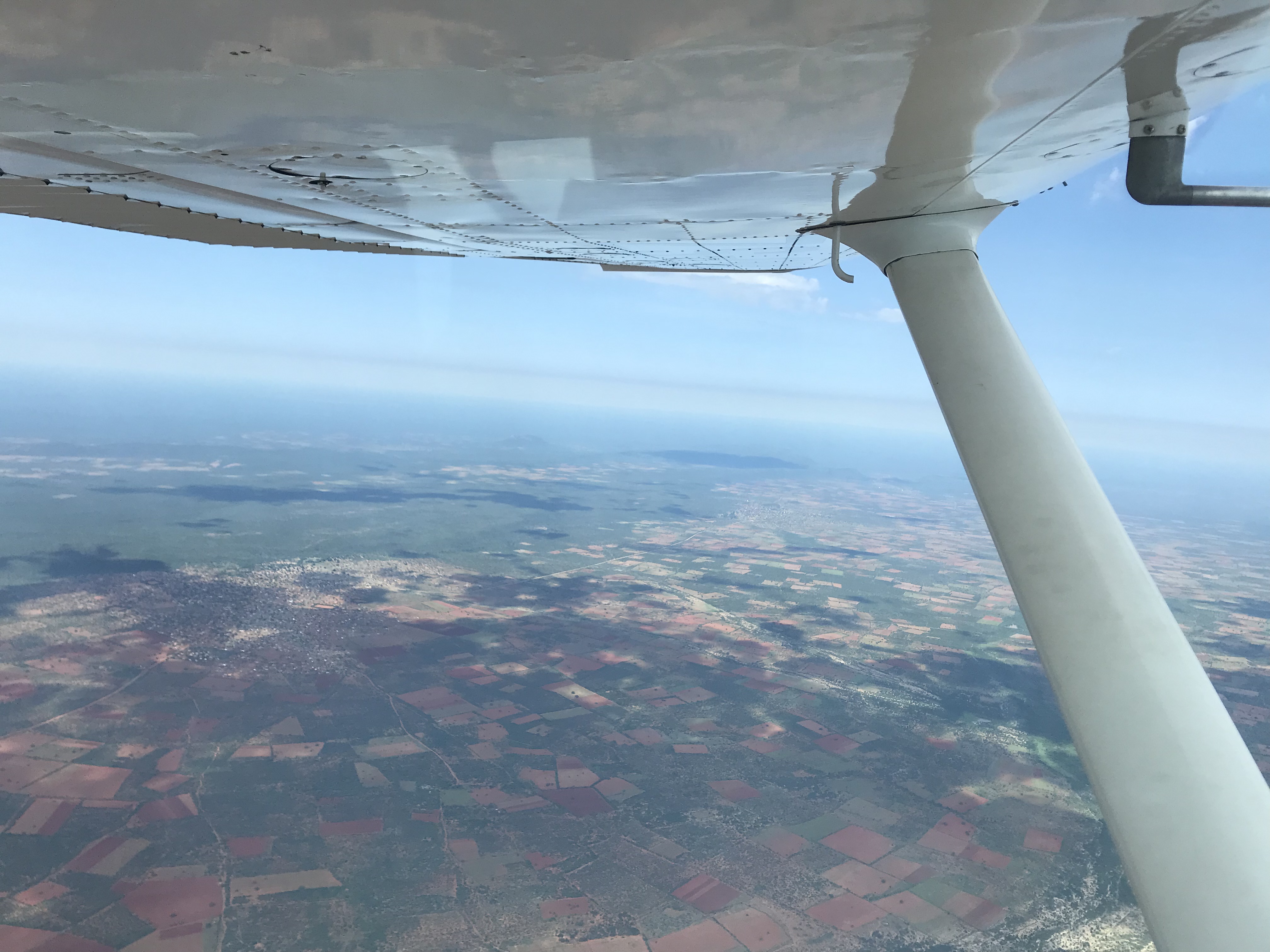
The rest of the flight to Ndola was spent with me in awe of the landscape in Zambia. In Ndola we cleared customs and immigration, refueled and took off for Solwezi.

This leg was shorter, just over an hours flight and a lot of it was spent flying around cumulous buildups and a squall line that we weaved our way through.

The flight to Zambia was probably one of my best flights yet and one that I will always remember.

Keep flying and stay safe.

First Day!

0500 and my alarm goes off. I’ve had a comfortable 8 hours of sleep, not stressed surprisingly even though I am slightly anxious about the day ahead.

It’s been almost 3 years since I first started my training as a pilot with 0 hours, today I get to fly all the way from South Africa to Zimbabwe. The craziest part of it all is I don’t have to pay anymore but someone is paying me! Yes this is my first job and I still can’t quite fathom the idea.

Today’s flight will take me from Lanseria where I did almost all of my training through the northern part of South Africa into Botswana where a fuel stop is planned and from there we fly to Harare in Zimbabwe. This will be the first time I fly out of South Africa myself and it is a bit daunting. I’m not sure what to expect at customs or immigration when flying myself and having to do all the paperwork.

Customs I quickly learn at Lanseria is pretty simple, they require 2 forms and even if you made a mistake or two were willing to help. With that hurdle out of the way I step onto the apron to meet our cargo handling agent, all his paperwork is in order so time to load the plane.

There seem to be fewer boxes than what I expected when I looked through the cargo manifest but I soon realize it’s not as much the size of the boxes but the weight. One of the bearings weighed 101kgs by itself and so the jigsaw puzzle of loading the aircraft was attempted.

After some more shuffling around of cargo and moving the seats around a bit we are ready for departure. 30minutes before our official planned departure but we decided to give it a try. Luckily ATC allowed us to start and we taxied down for takeoff. Run-ups completed, briefings done and ATC clearance received and read back we lined up on runway 07 and took off. From the last time I flew The aircraft to now, she is around 400kgs heavier so we rotate and attempt to climb, we barely manage to get 300ft a minute climb and the airspeed is around 90knots. At this stage I’m wondering if we will make it to 9000ft as planned and if this flight was a good idea. Luckily 20minutes later we made it to 9000ft and managed to cruise along nicely at 110knots to our first stop Francistown, Botswana.

Enroute to Botswana

With 15minutes to go to Francistown we start our decent with the field in sight, luckily it was a beautiful morning for flying because I honestly was not keen to fly a DME arc arrival into Francistown.the landing goes smoothly, probably the best landing I’ve done thus far in the C207. I soon realize that a few of Africa’s airports have been upgraded to expect big aero planes to land there and cater for high volume traffic that just never happened. We had the entire Francistown airport to ourselves, so after refueling and paying the ramp agent we set off to Harare.

Here’s is where the lessons start coming thick and fast, obtaining a clearance at one of these airports isn’t your frantic scribbling of notes, but rather a very relaxed and uncomplicated instruction that tower will just read to you when he seems fit. After takeoff I then realize no squawk code was issued, this is soon realize doesn’t matter as there is no radar, so transponder on or off it doesn’t make a difference.

A few minutes later the controlled starts asking me for an ETA to the TMA boundary, this is where the fun starts, so because there is no radar, controllers will ask you for estimates when you cross every TMA boundary, entering or leaving, and abeam, overhead or on what radial to specific stations. Having done the planning and expecting similar flying as in South Africa, this caught me off-guard and a few “uhm standby” moments were encountered while I quickly scrambled to workout the relevant information. Luckily apart from some cloud starting to form at around 9500ft, the weather was gorgeous and we had Harare airport insight from 50nm out.

It was an incredible days flying, one that I’ll never forget with lessons learnt and experience gained! I cannot wait for my next flight to see what it has in store for me on this beautiful vastly diverse continent!