
One thing most pilots will tell you when it comes to an emergency situation nothing is worse than the smell of smoke in the cockpit.
There are two types of fires that I am concerned with in the Cessna 207 I am flying, engine fire and electrical fire. Both have significant implications if they occur and require a different approach to extinguish the fire. In the case of a engine fire, you want to remove the fuel from the engine and then pitch the nose down increasing airspeed to extinguish the flames. If it is an electrical fire you need to remove the current from the electrical system thus preventing further sparking or heat buildup in the wiring.
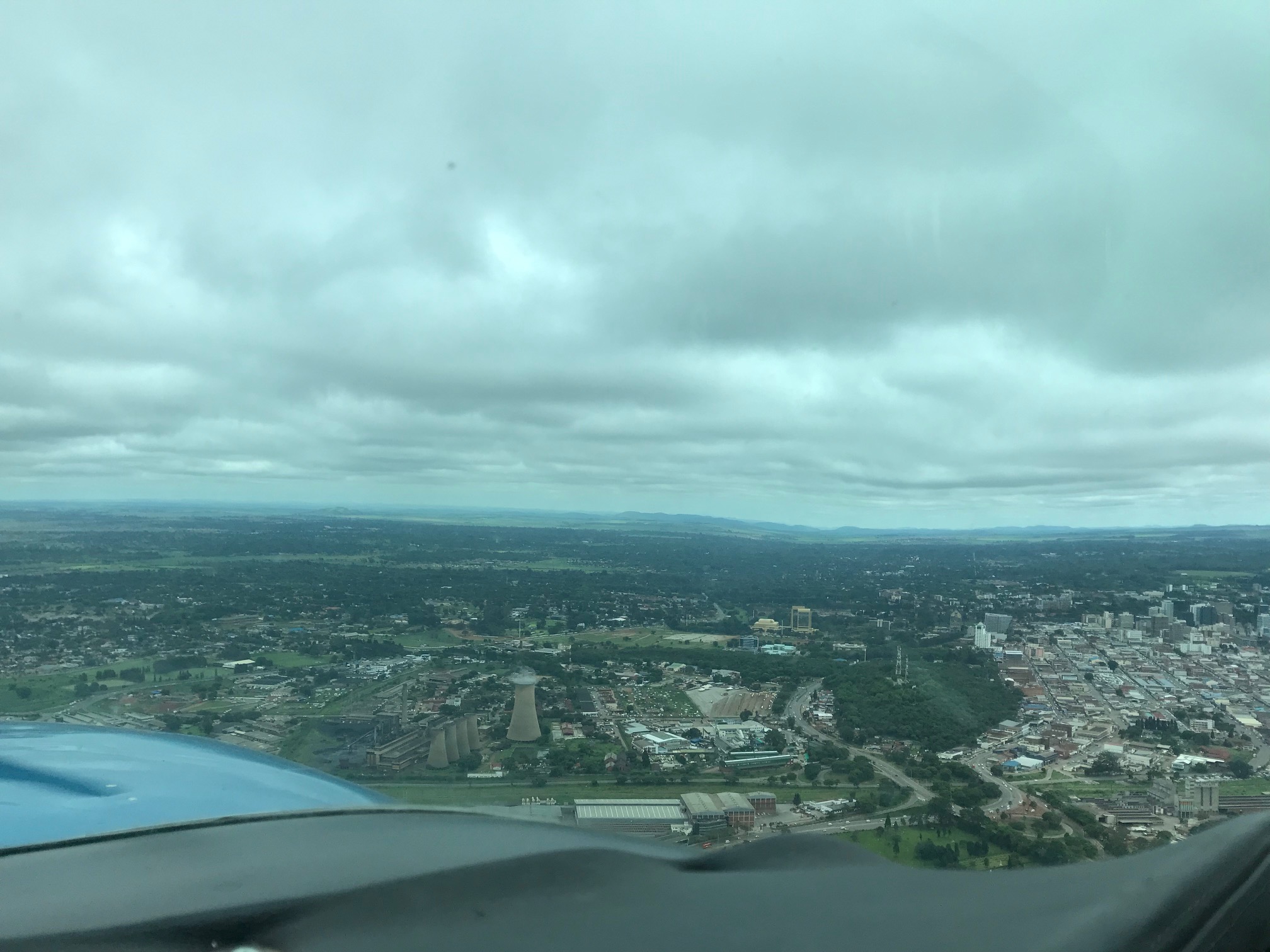
Why am I telling you this? Well on a recent flight to Ndola everything was going well, I was in the cruise, no clouds and smooth air with a ground speed of 130 knots when I suddenly got a distinct smell of plastic burning. I turned to my friend and asked if he smells the same, hoping it was in my imagination. Sadly he confirmed he also smelt it.
Right, so 1500ft above the ground we might have an electrical fire onboard. One thing I’ve learnt is not to rush into a hasty decision that can make things worse and try to stay calm. Since my GPS unit was plugged into the 12V lighter port that seemed like a logical place to start, I unplugged it, it was cool to the touch signaling the problem wasn’t there. Next I check all the circuit breakers on the panel in front of me, none have popped and I don’t feel any heat. I take my hand and slowl feel underneath the instrument panel, no heat. I lower my head to make sure I don’t see any smoke, nothing.
After not finding any signs that the fire is originating inside the 207, and all indicatione on the instrument panel are normal, we decide it must be smoke from outside that made its way in through the vent due to us maintinaing a relatively low altitude. For the next 5minutes I still monitor all the instruments closely until the smell eventually dissipates.
I am very relieved that it was not an actual fire in the aircraft, but it serves as a good reminder to be ready for anything while flying, and know your aircraft and systems Incase an emergency does arise.
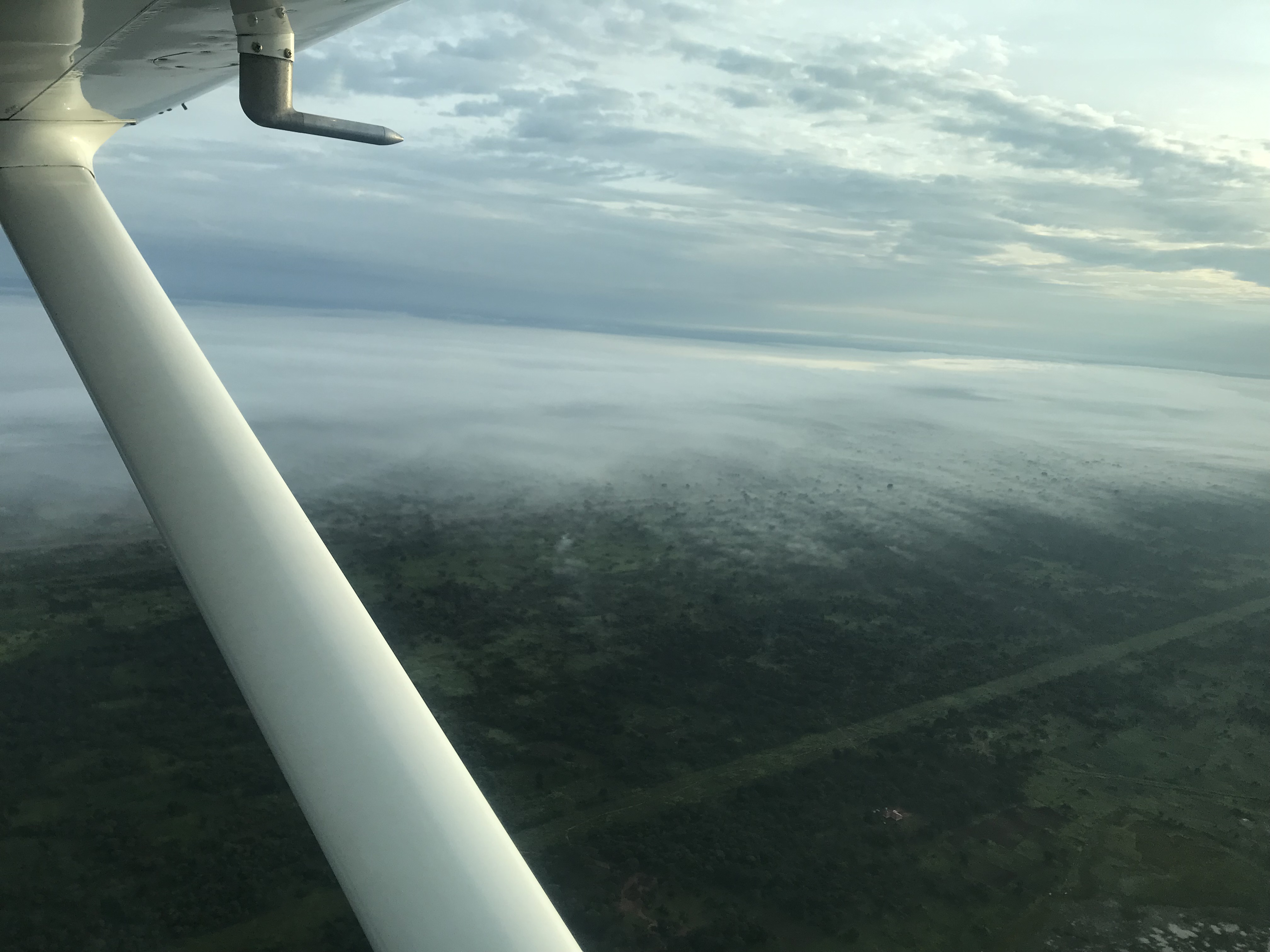
Keep flying and stay safe. 🇿🇲
 My Flying Adventures